

We all recognize that teams are more than the sum of their tasks and meetings. Day after day, something unspoken moves between us—a look, a gesture, the silence after a tough question. These silent signals shape our work together, steering relationships and giving color to collaboration. If we learn to notice and understand these signals, we unlock new levels of clarity, trust, and shared direction.
Why nonverbal cues matter in teams
Words carry meaning, but often, what goes unsaid holds greater power. In team settings, nonverbal cues offer glimpses into motivation, stress, openness, and alignment. Sometimes, a team member agrees aloud, yet their tightened jaw and restless fingers say, “I’m not comfortable.” The deeper story is visible for those who pay attention.
We communicate most, not with our mouths—but with our bodies.
These signals can boost productivity, help resolve tensions, or, if misread, sow confusion. We’ve seen projects stall not because of the plan, but because team members interpreted crossed arms or avoided eye contact as resistance. Recognizing such cues early helps us respond before challenges escalate.
The main types of nonverbal signals in teams
Nonverbal communication weaves through every moment of team life. We group these cues into several main types:
- Facial expressions: Smiles, frowns, raised eyebrows—faces reveal emotions even when words aim for neutrality.
- Body language: Posture, gestures, and the way someone sits or stands offer windows into comfort, confidence, and interest.
- Eye contact: Looking directly signals engagement or trust, while looking away can mean discomfort or disapproval.
- Proximity and physical space: Sitting close or far apart shifts dynamics. Even how we arrange chairs at a table says something about hierarchy or teamwork.
- Paralanguage: Tone, volume, pacing, and pauses in speech sometimes matter more than the words themselves.
Spotting these signals can help decode hidden dynamics. For instance, have you ever noticed a sudden hush after a controversial statement? We have, and it often tells us that conflicting opinions remain unspoken.
Benefit of decoding silent signals for team leadership
Understanding nonverbal communication enables leaders to keep a finger on the team’s pulse—not through formality, but presence. When we recognize tension before it erupts, or spot encouragement when someone needs it most, trust grows. Leaders who only listen to spoken words risk missing what their team truly feels.

When we notice the unspoken, we can address challenges early, build psychological safety, and encourage honest feedback. From our experience, small, attentive gestures—a nod, a direct look, an open posture—signal, “You’re heard here.” This invites the same in return, shifting group dynamics in deeper, positive ways.
Typical situations where silent signals guide teams
Let’s consider some examples we’ve encountered:
- Decision-making: Teams may hesitate when a proposal sounds risky. Even as heads nod politely, the side-glances and still hands signal uncertainty.
- Feedback sessions: Genuine feedback generates visible tension—tight lips, crossed legs—but after honest recognition, sighs of relief and released shoulders show trust rebuilding.
- Brainstorming: When someone feels excluded, they lean back or angle their body away from the group. Others sense it, even before words are spoken.
- Conflict: Silence after a sharp comment or fixed stares across the table warn of issues to be handled.
In such moments, we believe that awareness is action. Picking up on a tense body or anxious glance, we can rephrase, invite quieter voices, or pause for deeper check-ins. This creates room for honest exchange—no small thing on high-pressure teams.
How to respond when you read silent signals
Seeing is just the first step. Once we notice nonverbal cues, what comes next?
- Reflect and ask: If we sense discomfort or disagreement, we first tune in to our own reactions. Then, we gently check with the person: “I noticed this topic didn’t sit well. Would you like to share your thoughts?”
- Stay curious, not judgmental: Signals mean different things in different cultures, personalities, and moments. It’s safer to seek understanding than to assume.
- Adjust our own cues: If we want openness, we model it—relaxed posture, eye contact, patient silence. Our nonverbal language gives permission for others to follow.
- Acknowledge, then clarify: When we respond to silent feedback, resistance softens. “I saw your hands tighten when we decided X. Anything we missed?”
Meet nonverbal cues with respect, not with pressure to explain.
We think it is powerful when teams know that being seen doesn’t always mean being questioned. Sometimes, naming the tension alone brings relief.
Barriers to accurate nonverbal reading
While paying attention helps, there are real obstacles:
- Personal bias: If we interpret everything through our own lens, we risk misunderstanding others’ true feelings.
- Cultural differences: For some, direct eye contact is respect; for others, it signals challenge or even disrespect.
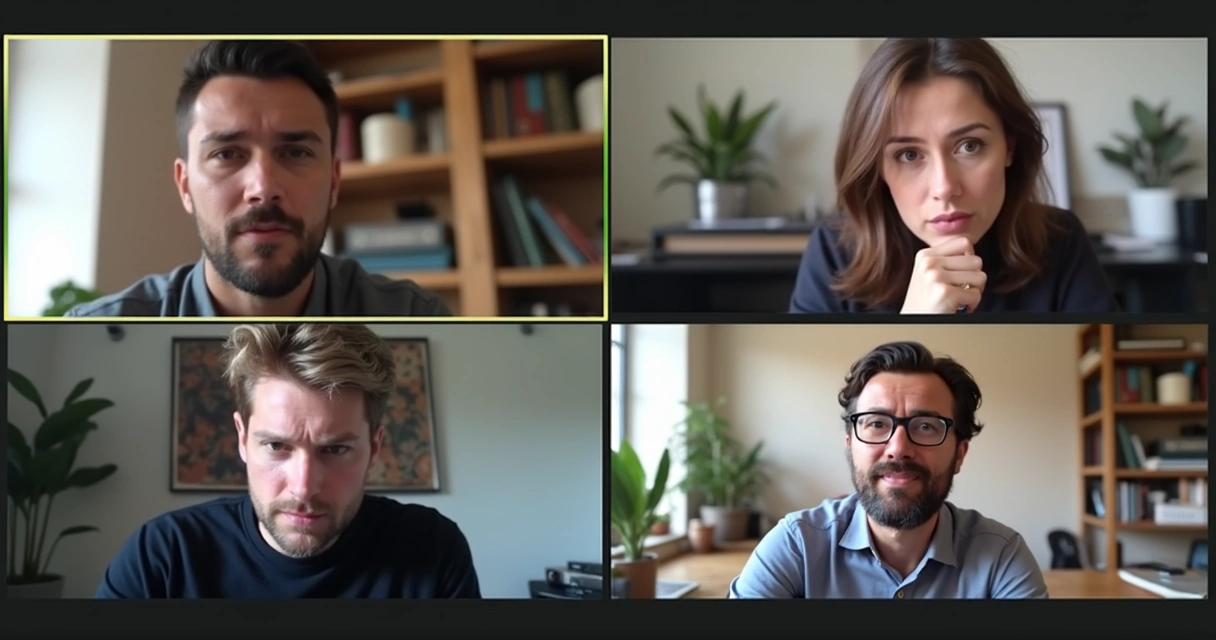
- Remote collaboration: Cameras can hide subtle shifts—folded arms or tapping feet go unseen, reducing our insight.
- Busyness: We often miss signals simply because we’re caught in schedules or slide decks, forgetting to look up.
Pausing for regular “read the room” check-ins, both in person and online, helps prevent these barriers from causing fracture. We often schedule moments for silence and observation during meetings, letting cues come forward.
Practical steps to foster better nonverbal awareness
We use a few steady approaches to bring greater awareness into daily team life. Over time, these habits shape group trust and collaboration:
- Regular body language check-ins: Invite the team to share how they feel with a gesture or facial expression at the start of meetings—no explanations required.
- Intentional silence: Leave room during discussions for unhurried responses. Silence lets underlying emotions come up.
- Role rotation: Have team members help observe group mood or dynamic and share impressions, creating mutual responsibility.
- Direct feedback on signals: Make it normal to say, “I sense a bit of hesitation around this idea. What’s coming up for you?”
- Remote awareness practices: Encourage cameras on, but also ask about cues that are easy to miss online, like energy levels or comfort breaks.
When we listen to what is not said, teams flourish.Strong, aligned teams rest on this silent foundation.
Conclusion
Teams speak with words, but their deepest conversations are silent. We believe that the path to clarity, trust, and alignment starts with noticing the signals just beneath the surface—relaxed shoulders, darting eyes, the way someone quietly checks their phone when tense. If we pause, observe, and respond with care, we encourage a climate where words and meaning match. In every healthy team, nonverbal cues are a shared language—one that is noticed, respected, and included in every step forward.
Frequently asked questions
What are nonverbal cues in teams?
Nonverbal cues in teams are unspoken signs like facial expressions, body language, eye contact, posture, gestures, and tones of voice that reveal thoughts or feelings that may not be openly discussed. These signals help teams connect, share understanding, and recognize emotions within the group.
How to improve nonverbal communication?
To improve nonverbal communication, notice and reflect on your own body language before focusing on others. Practice active observation in meetings, maintain comfortable eye contact, and show openness through relaxed posture. Encourage your team to share and talk about nonverbal feedback, both face-to-face and online, and allow silence so subtle signals can arise.
Why do nonverbal signals matter in teams?
Nonverbal signals matter in teams because they reveal true feelings, build or break trust, and guide group understanding beyond words. When teams pay attention to these silent cues, they spot tensions, encouragement, or doubt early, helping foster stronger collaboration and a more supportive climate.
What are signs of poor nonverbal communication?
Signs of poor nonverbal communication include misaligned cues—such as saying “yes” with a hesitant body gesture, frequent avoidance of eye contact, defensive crossed arms, or silence in place of feedback. Teams may feel disconnected, face growing misunderstandings, or sense ongoing tension that is never addressed.
How can I read team body language?
To read team body language, focus on overall posture, changes in facial expressions, the direction of gaze, how individuals interact with space, and how they use their hands or feet when talking or listening. Compare each person’s baseline with their reactions in different situations, and use observation as a tool to check on group mood, comfort, or engagement.